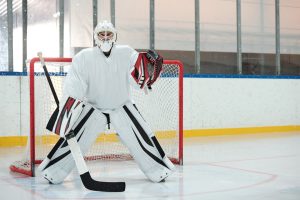
Helmet vs. Jambière: Which Hockey Gear Offers Better Impact Defense?

A split-second collision on the ice can change everything. Hockey players trust their safety to equipment designed to take the hit, but when it comes down to helmets versus jambières (shin guards), which one truly offers the better defense against impact?
Understanding Impact Defense in Hockey Gear
Hockey is a fast, hard-hitting sport. The right protective gear isn’t just an accessory; it’s a necessity for staying healthy on the ice and prolonging a player’s career. The science behind impact protection in hockey gear revolves around absorbing and dispersing energy away from the body, whether the blow comes from a puck traveling over 160 km/h or a bone-crunching body check against the boards.
The Science Behind Impact Protection
At its core, impact defense requires materials that can manage force. Helmets use multi-density foams and hard shells to reduce the risk of concussions, while jambières rely on layered padding and ergonomic shells to shield vulnerable areas like knees and shins.
Key Injury Risks in Hockey and Target Areas for Gear
Head injuries, particularly concussions, are top-of-mind for most players and coaches. Yet, knee and leg injuries from collisions, sticks, and pucks are nearly as common. Helmets and jambières target these high-risk zones, one for the brain, the other for the lower limbs.
How Impact Defense Is Tested and Certified
Both helmets and jambières undergo rigorous safety certifications, using simulated impacts to ensure they meet industry standards. Certification programs like CSA, HECC, and CE for helmets, and similar international protocols for leg guards, give players confidence that their equipment truly makes a difference.
Helmets: Protecting the Head in Hockey
A well-fitted helmet is non-negotiable for any player stepping on the ice.
Essential Features of Hockey Helmets
Today’s helmets are engineered with adjustable fit systems, high-impact outer shells, and advanced liner technologies. Some models even include custom inserts for added comfort.
Materials and Technologies Used in Helmets
Modern helmets combine polycarbonate shells with multi-density foams, including vinyl nitrile or expanded polypropylene. These materials work together to absorb and spread out impact energy, reducing the force transmitted to the skull.
Pros and Cons of Different Helmet Designs
Open-face helmets offer great vision but less facial protection, while full-cage options provide more coverage at the cost of some visibility and airflow. Ultimately, the best helmet is the one that balances protection, comfort, and fit for the individual player.
Real-World Performance: Helmets in Impact Scenarios
In game situations, a helmet’s ability to limit rotational acceleration and absorb direct impacts can mean the difference between a minor headache and a life-altering injury. There are countless stories of helmets preventing tragedy during falls, collisions, and high-flying pucks.
Jambières: Defense for Legs and Knees
While the head grabs most of the headlines, the lower body takes a beating in every match.
Anatomy of Hockey Jambières and Their Protective Zones
Jambières typically extend from above the knee down to the top of the skate, with distinct hard shells over the knee cap and shin. Additional padding on the sides and calf guard areas absorb stray pucks and stick slashes.
Construction and Padding Technologies in Jambières
Leading brands incorporate lightweight yet durable plastics, EVA foams, and moisture-wicking liners. Some models feature removable pads for washability and customizable fit.
Mobility vs. Protection: Finding the Right Balance
Players demand mobility, and gear manufacturers respond by contouring jambières to allow for powerful strides without sacrificing crucial coverage. The best designs move with the player while staying firmly in place.
Impact Absorption and How Jambières Reduce Injury Risk
A direct slapshot to the shin is excruciating without protection. Jambières are engineered to distribute force away from the bone and joints, dramatically lowering the risk of fractures, contusions, and long-term damage.
Comparative Analysis: Helmet vs. Jambière for Impact Defense
So, which gear offers better impact defense: the helmet or the jambière?
| Feature | Helmet | Jambière |
|———————|———————————–|———————————-|
| Protection Focus | Head, skull, brain | Knees, shins, calf, lower thigh |
| Injury Prevention | Concussions, skull fractures | Fractures, bruises, ligament damage |
| Durability | 3-5 years (with care) | 2-4 years (depends on usage) |
| Comfort/Fit | Critical for safety | Adjustable, but less critical |
| Cost Range (CAD) | $34.99 – $169.99+ | $119.99 – $139.99+ |
Helmets are absolutely vital for preventing catastrophic brain injuries, while jambières protect against frequent yet less life-altering leg injuries. Both are indispensable, but their “impact defense” targets entirely different threats.
Making an Informed Choice: What Matters Most for Players
Choosing between helmet and jambière is not an either-or scenario. Instead, it’s about investing in the right protection for the risks a player faces most.
Evaluating Personal Risk and Playing Style
For aggressive forwards or defenders who block shots, robust jambières are non-negotiable. For all players, a certified, properly-fitted helmet is mission-critical.
Combining Gear for Optimal Total Body Protection
True impact defense comes from a holistic approach. Combining certified helmets, jambières, and other gear like gloves and neck guards ensures every vulnerable area is covered.
Expert Tips for Selecting Gear Based on Impact Defense Needs
– Always choose equipment that meets or exceeds certification standards.
– Fit trumps fashion; ill-fitting gear cannot protect effectively.
– Replace helmets and jambières after any major impact or visible damage, even if injuries seem minor.
Future Innovations in Hockey Protective Equipment
Manufacturers are pushing boundaries with lighter materials, smarter padding, and enhanced impact sensors. Expert reviews and resources like Liquida Sport hockey equipment keep players informed about the latest advancements.
Ultimately, the answer isn’t helmet versus jambière, it’s helmet and jambière, working together as the foundation of every player’s safety on the ice.